
Dock Construction Cost & Pricing Factors Daytona Beach
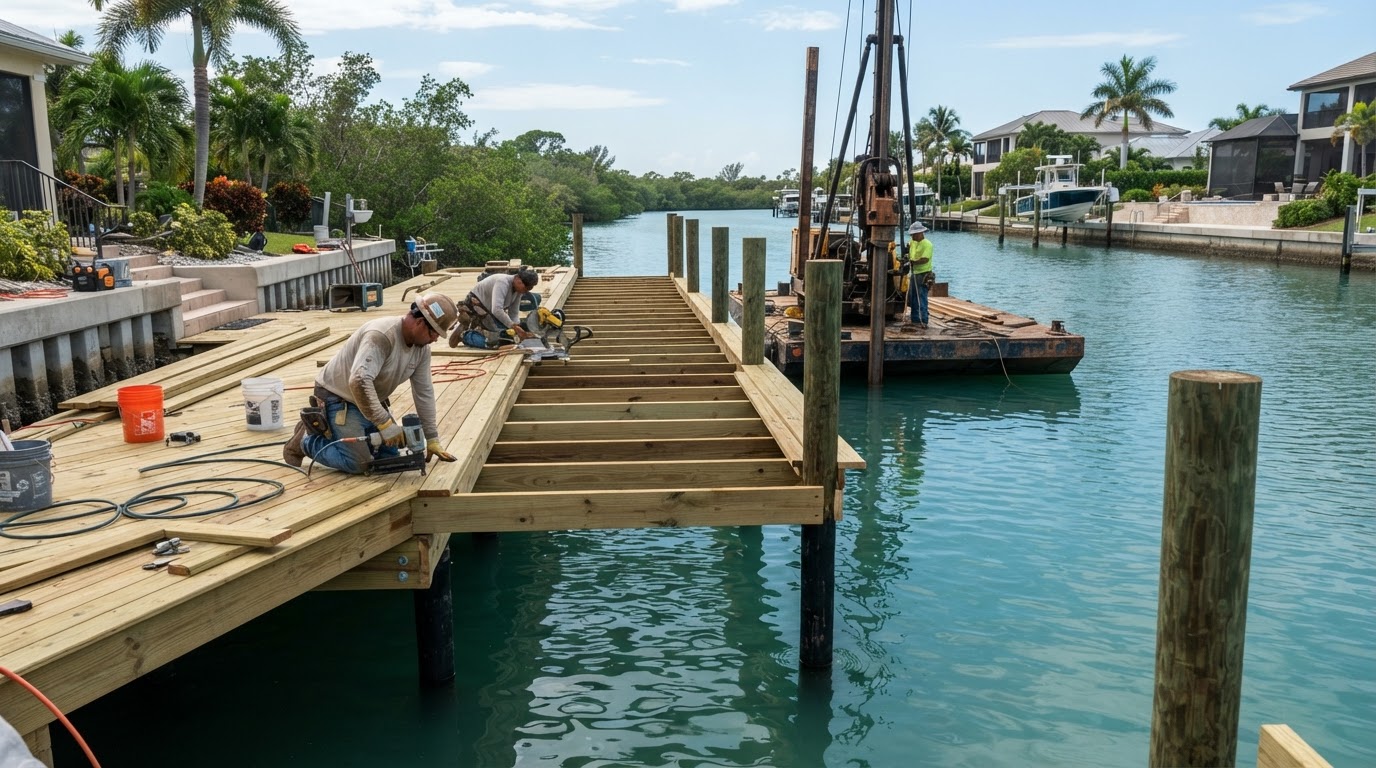
Dock construction pricing is not driven by length alone. The footprint, the pilings, the decking material, the water depth and bottom conditions, the access available for construction, and the permits and engineering the site requires all shape what a dock project actually involves. This guide walks through the factors that most often influence dock cost near Daytona Beach without publishing an unsupported cost-per-foot or per-square-foot figure.
Request a Marine Construction Estimate
Share your dock, seawall, or boat lift project details and we'll review the requirements for your Daytona Beach area waterfront property.
Dock Construction Cost in Daytona Beach
Docks are not all priced by the same measurement. A fixed pile-supported dock, a floating platform, a dock replacement, and a dock extension each involve different structural work, materials, and access — and a cost-per-foot number that fits one may mislead on another.
This page does not publish an average dock cost, a price per square foot, or a typical permit fee. Accurate dock pricing requires a project-specific estimate evaluated against the actual footprint, water depth, bottom conditions, and access for the specific waterfront.
- Footprint, length, width, and structural requirements
- Fixed versus floating systems and their different scopes
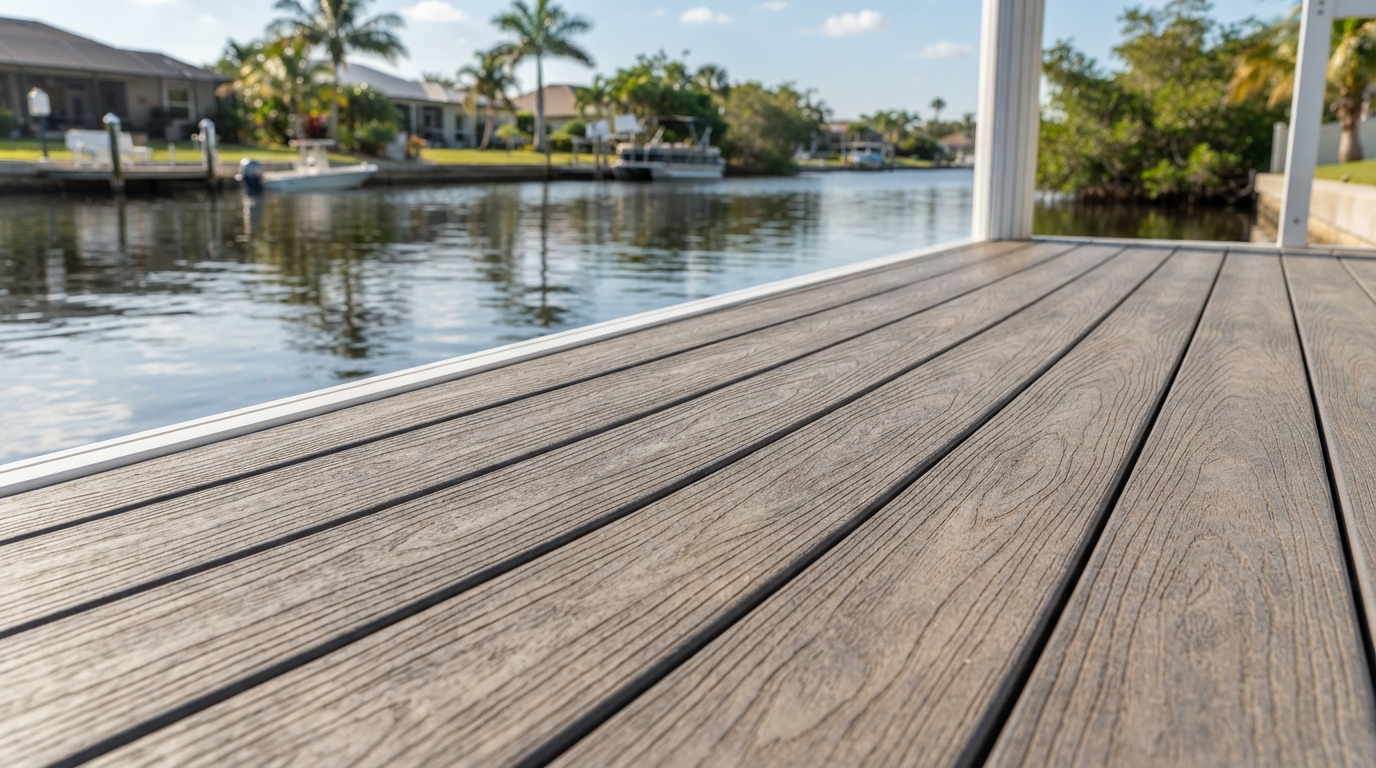
- Wood, composite, and other decking material considerations
- Piling installation and water depth
- Demolition, disposal, and existing-structure coordination
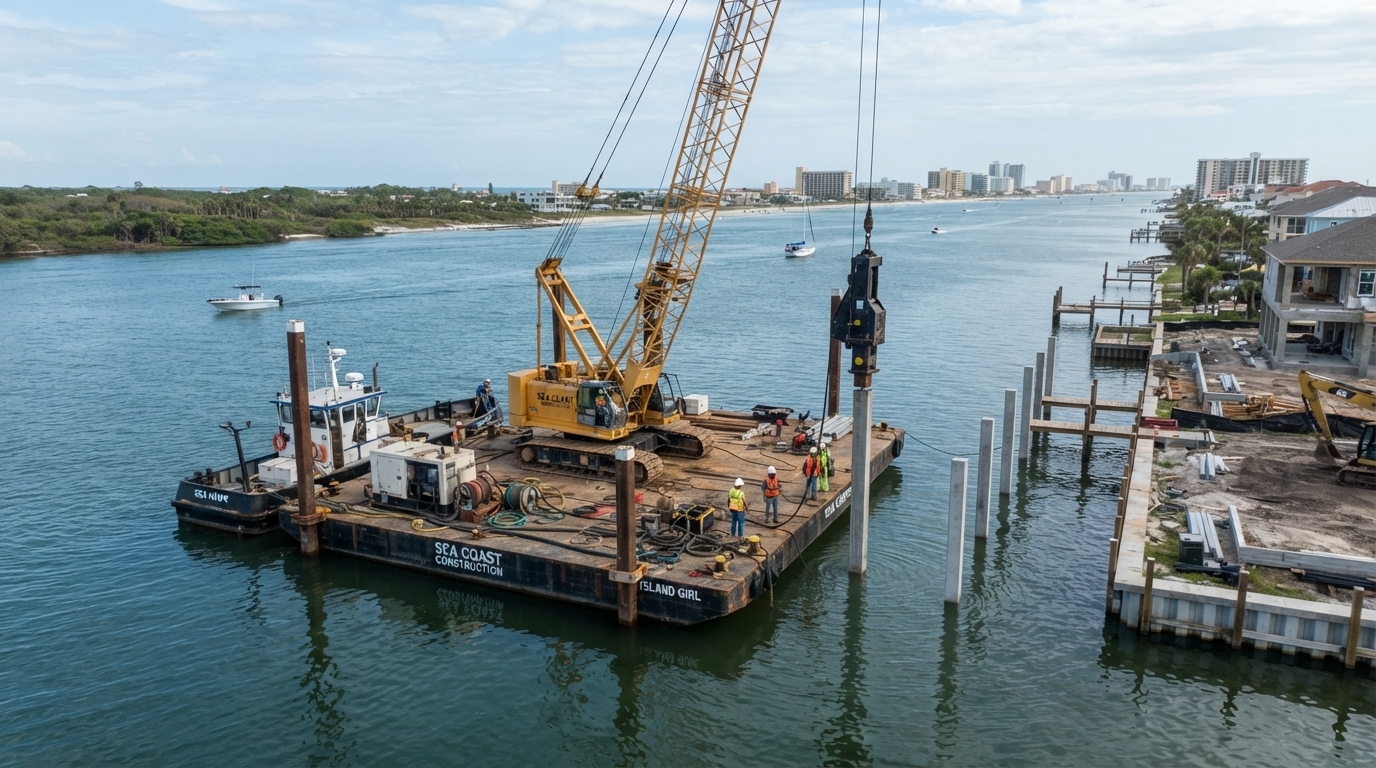
- Barge mobilization and land-based construction access
What Affects the Price of a New Dock?
A new dock's price reflects its footprint, the structural system that supports it, the decking and railing, and any utilities or accessories included in the scope. A larger dock requires more material and more pilings, but the structural requirements — driven by water depth, bottom conditions, and the intended use — can change the work involved even when the surface area is similar.
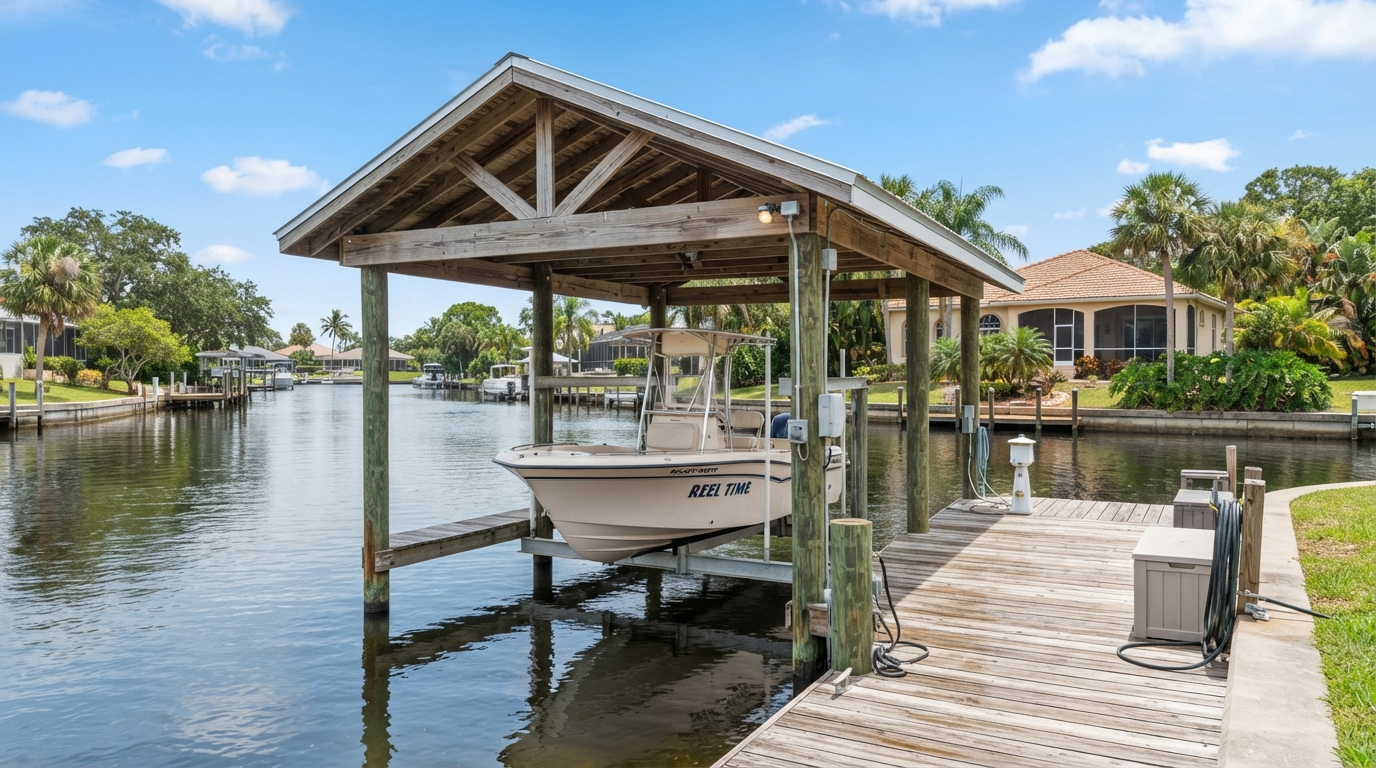
Adding a boat lift, shore power, water, lighting, or a gangway expands the scope beyond the dock structure itself. These additions are not automatically included in a standard dock estimate unless the scope specifically calls for them, which is one reason two docks of the same size can have very different scopes.
Fixed Versus Floating Dock Cost Considerations
Fixed and floating docks are different structural systems — neither is universally cheaper, and the cost comparison depends on the site.
Fixed Docks
- Pile-supported and fixed relative to the shoreline
- Scope depends on piling count, water depth, and bottom
- Not interchangeable with floating systems
- Not always more or less expensive than floating
Floating Docks
- Modular platforms that rise and fall with water level
- Scope includes anchoring, gangways, and connections
- Suitability depends on exposure and water-level change
- Not automatically cheaper than fixed docks
Dock Dimensions and Structural Requirements
Length and width define the surface, but the structural requirements define the work. Deeper water or a softer bottom may require longer or more closely spaced pilings, which changes the material and labor even when the deck dimensions stay the same. The intended use — light foot traffic versus supporting a lift or heavier vessel activity — also affects what the framing and supports must carry.
This is why a dock cannot be accurately priced from length alone. Two docks with the same footprint can require different piling depths, framing, or hardware depending on the conditions beneath and around them.
Wood, Composite and Other Decking Materials
Decking material is one visible cost factor, but it is distinct from the structural framing and supports beneath it. Wood, composite, and aluminum components each have different maintenance, exposure, and installation characteristics, and not every composite product or aluminum component shares the same composition or performance.
This page does not claim wood is always the least expensive option or that composite is always best. Material choice interacts with sun exposure, moisture, marine corrosion, fasteners, and framing compatibility, and the right comparison depends on the dock type and site — not a universal ranking.
Water Depth and Construction Access Near Daytona Beach
Water depth affects how long the pilings must be and what equipment can reach the site. A dock in shallow water or over a soft bottom may require different piling work than one in deeper water with a firmer bottom, and the construction method — barge-based versus land-based — depends on the access the site allows.
Barge mobilization can be a meaningful cost factor, and not every waterfront supports marine equipment. Land access can also be constrained by lot width, overhead lines, or neighboring structures, which can change the staging and protection work the project requires.
Permits, Engineering and Utility Additions
Dock projects may require local building review, state environmental review, submerged-land authorization, or federal review depending on the waterbody and proposed work — each a separate consideration from construction labor and material. Utilities such as shore power, water, or lighting are additional scope unless explicitly included. A useful estimate clarifies what is included, what is excluded, and which approvals the scope assumes.
Related Services Near Daytona Beach
Explore other marine construction topics relevant to your waterfront project.