
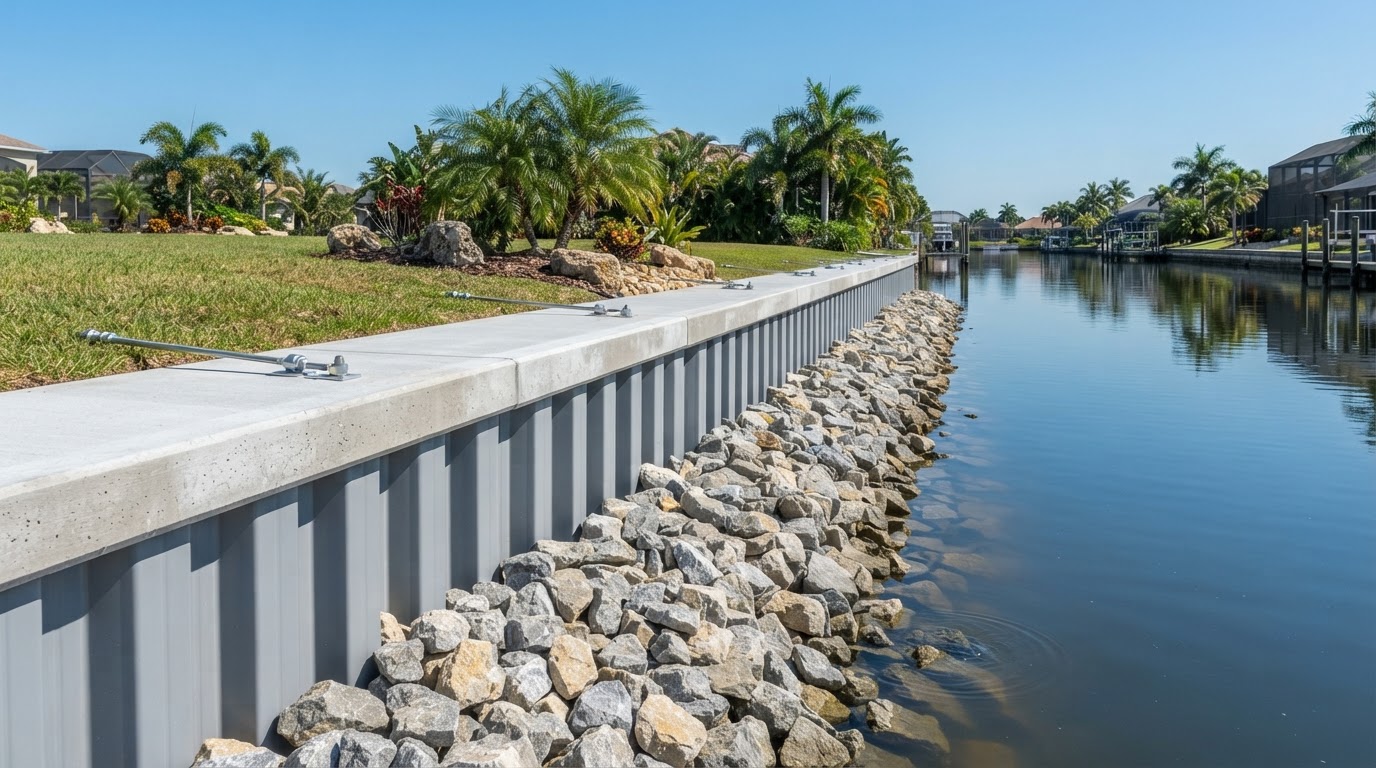
Sea Turtle Nesting Season Construction Limits Daytona Beach
Sea turtle nesting season can affect beachfront construction in Daytona Beach — but it does not prohibit all work, and it does not apply to inland canal or river docks. This guide explains how beachfront work may interact with sea turtle habitat protections, why timing, lighting, and beach access matter, and why site-specific restrictions must be verified against current official sources — without inventing nesting-season dates or a universal construction blackout.
Request a Marine Construction Estimate
Share your dock, seawall, or boat lift project details and we'll review the requirements for your Daytona Beach area waterfront property.
Sea Turtle Nesting Season in Daytona Beach
Sea turtle nesting season is the period when sea turtles come ashore to nest on Atlantic beaches. Beachfront construction in Daytona Beach may interact with sea turtle habitat protections during this period. These considerations apply to oceanfront work, not to inland canal, river, or Intracoastal docks.
This page is general educational guidance, not an agency determination. Nesting-season dates, lighting restrictions, and activity-specific limits should be verified against current official Volusia County and relevant state or federal guidance before relying on them. This site does not invent nesting-season dates, construction blackout periods, or emergency exceptions.
- How beachfront construction can affect turtle habitat
- Construction timing and site-specific restrictions
- Beach lighting and access considerations
- Seawall repairs near Daytona Beach beaches
- Coastal permits and habitat review
- Emergency work and official authorization questions
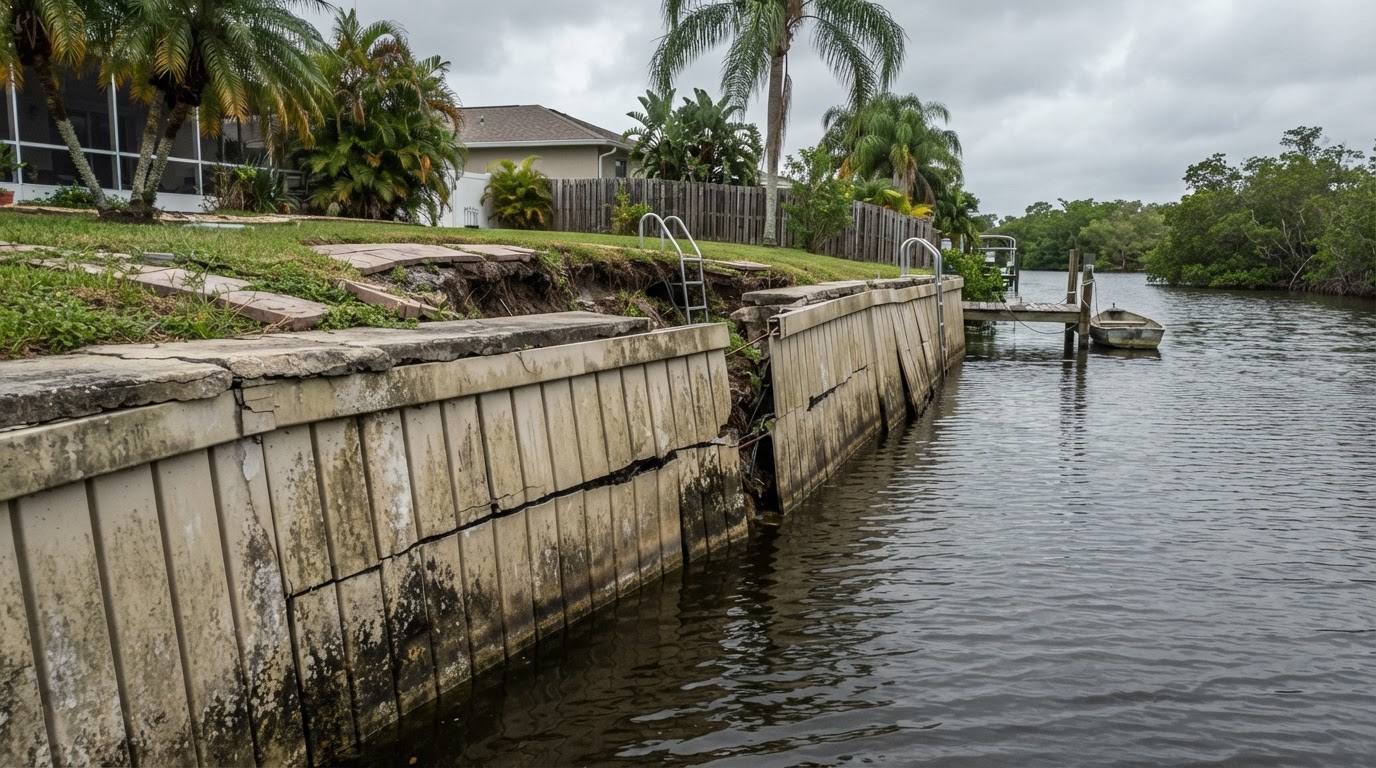
How Beachfront Construction Can Affect Turtle Habitat
Beachfront work may interact with sea turtle habitat protections because nesting turtles and hatchlings use the beach and dune system. Construction location, beach access, artificial lighting, equipment staging, and sand disturbance can all be relevant during nesting season. These considerations are specific to oceanfront projects and do not apply to inland dock construction.
This page does not imply that all inland dock projects are subject to beachfront sea turtle construction restrictions, and does not state that all work is automatically prohibited during nesting season. Whether and how a project is affected depends on the location, the work, and current official guidance.
- Nesting turtles and hatchlings use the beach and dune system
- Lighting, staging, and sand disturbance can be relevant
- These considerations apply to oceanfront work, not inland docks
- Not all work is automatically prohibited during nesting season
Construction Timing and Site-Specific Restrictions
Construction timing on a beachfront project may be affected by nesting-season considerations. Any dates should be verified with current Volusia County and relevant state or federal guidance before appearing on a page or being relied on for planning. This page does not publish a universal construction blackout period without identifying the applicable current rule and geographic scope.
Site-specific restrictions depend on the location, the proposed work, existing permits, and current agency requirements. A project with an existing authorization may be subject to conditions that differ from a new proposal. Verify the current local season and activity-specific restrictions before relying on any timing information.
- Construction timing may be affected by nesting-season considerations
- Any dates must be verified with current official guidance
- No universal blackout period is published here
- Site-specific restrictions depend on the location and current requirements
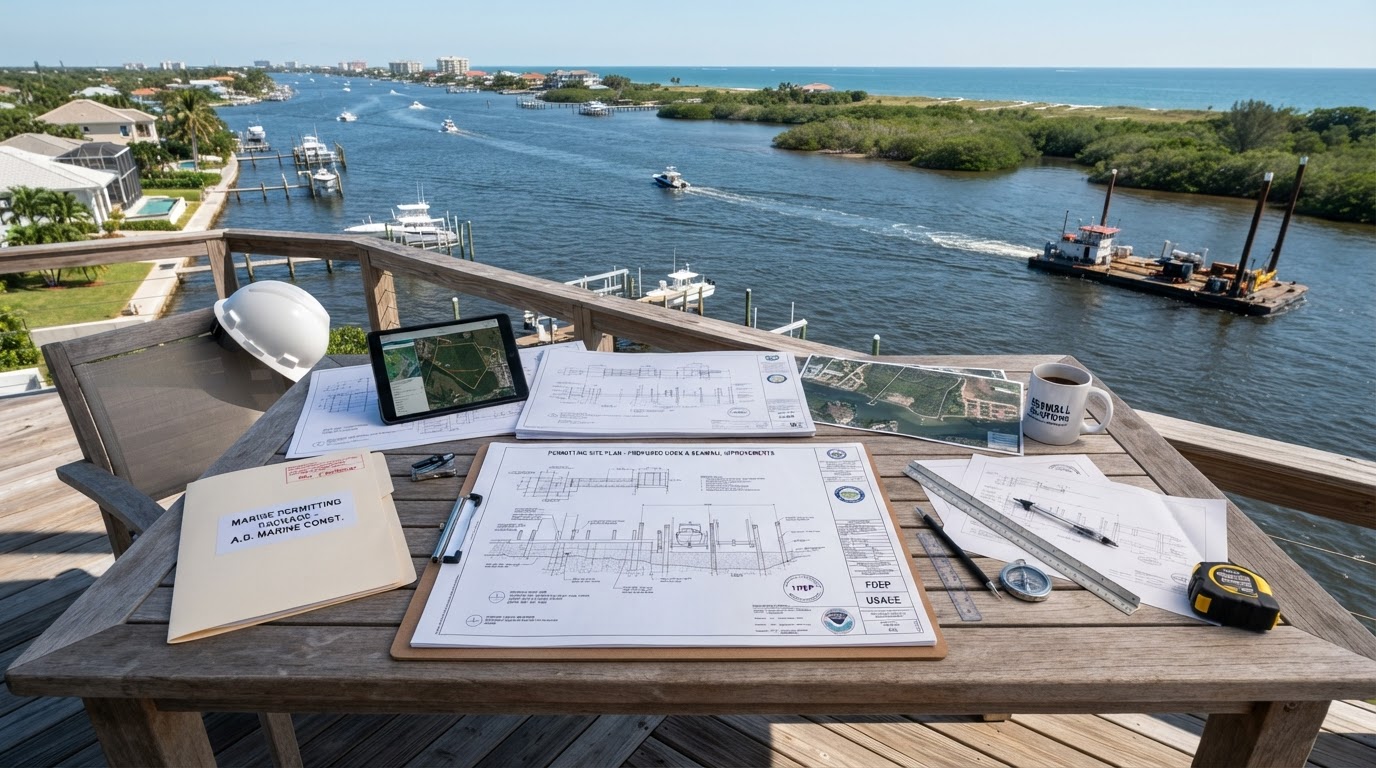
Beach Lighting and Access Considerations
Artificial lighting and beach access are common considerations on beachfront projects during nesting season.
Artificial Lighting
Artificial lighting can disorient nesting turtles and hatchlings. Beach lighting restrictions may be relevant to construction and staging during nesting season and must be verified with current guidance.
Beach Access
Equipment access across the beach and dune system can affect habitat. Staging and access routes are site-specific planning considerations during nesting season.
Sand Disturbance
Sand disturbance and dune conditions can be relevant on beachfront projects. The extent of disturbance depends on the proposed work and the site.
Protected Areas
Marked habitat areas and protected zones may require avoidance or specific handling. These are identified through current official guidance for the specific site.
Existing Permits
A project with an existing authorization may be subject to conditions that differ from a new proposal. Existing permit conditions should be reviewed for the specific project.
Current Guidance
Nesting-season dates and restrictions change. Verify current Volusia County and relevant state or federal guidance before relying on any specific requirement.
Seawall Repairs Near Daytona Beach Beaches
Beachfront seawall repairs may be affected by sea turtle considerations, just as new armoring may be. A repair is not automatically exempt from coastal or habitat review, and the timing of a repair may be subject to nesting-season conditions. Whether a repair may proceed during nesting season depends on the scope, the location, and current official guidance.
This page does not promise an emergency exception, and does not imply that all work is prohibited during nesting season. Beachfront seawall repair planning should account for current habitat requirements verified through official sources.
- Beachfront seawall repairs may be affected by turtle considerations
- A repair is not automatically exempt from coastal or habitat review
- Repair timing may be subject to nesting-season conditions
- Whether a repair may proceed depends on current official guidance
Coastal Permits and Habitat Review
Coastal permits and habitat review can overlap on beachfront projects. A project may need to address local beach-and-dune review, state CCCL review, and habitat-related conditions at the same time. Sea turtle considerations are one part of that broader coastal review, not a separate standalone process.
This page does not present general seasonal information as a parcel-specific authorization decision, and does not invent nesting-season dates or construction prohibitions. Where precise timing or habitat requirements are needed, verify them against current official Volusia County and relevant state or federal sources.
- Coastal permits and habitat review can overlap on beachfront projects
- Sea turtle considerations are part of broader coastal review
- General seasonal information is not a parcel-specific authorization
- Verify precise timing and habitat requirements with official sources
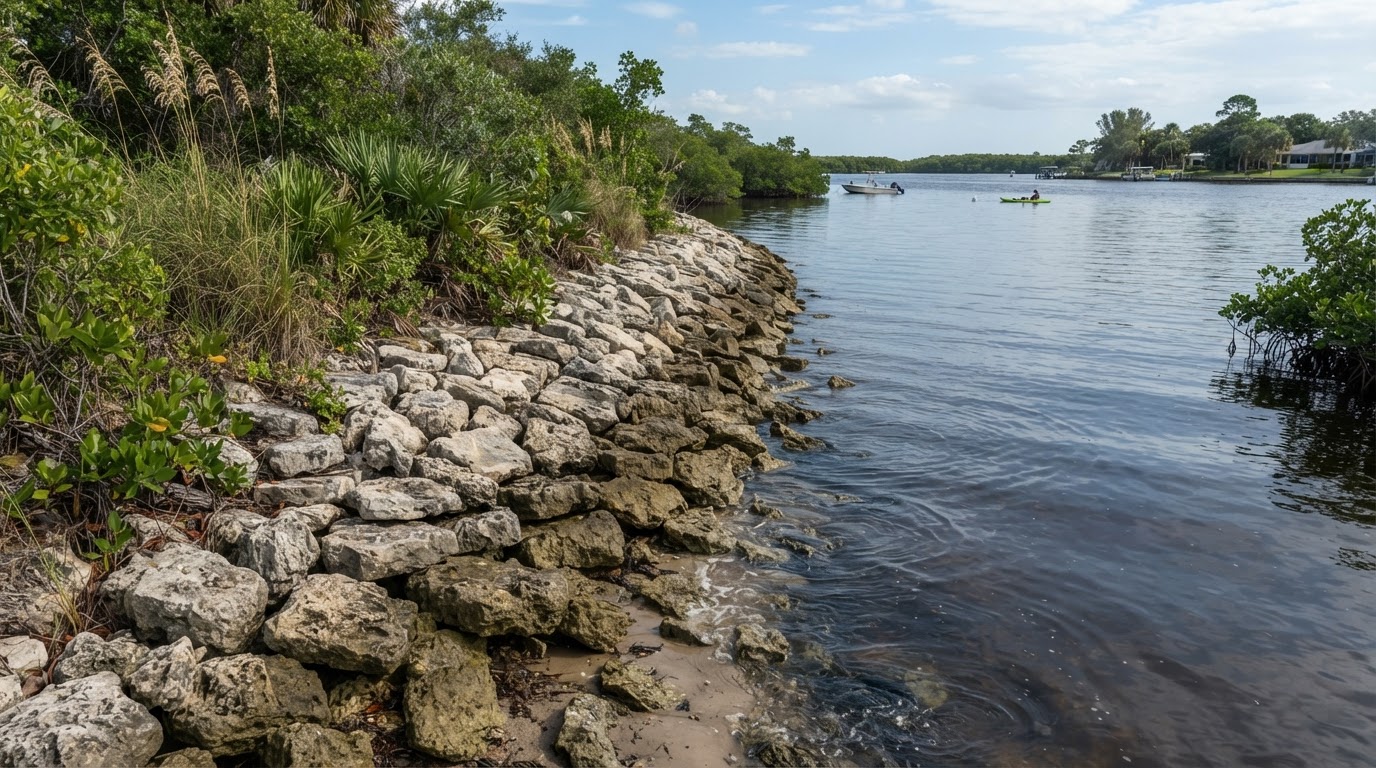
Emergency Work and Official Authorization Questions
Emergency coastal work may receive special consideration, but only through official authorization — not by assumption.
Routine Beachfront Work
- Planned beachfront work should account for nesting-season timing
- Lighting, access, and staging may be subject to conditions
- A repair is not automatically exempt from habitat review
- Timing and conditions should be verified with current guidance
Emergency Coastal Work
- Emergency work may receive special consideration through official authorization
- An emergency exception is not assumed or promised here
- Emergency authorization depends on the situation and the agency
- Verify emergency procedures with the relevant authority
Where to Verify Current Sea Turtle Guidance
For current official information, consult the Volusia County Sea Turtle frequently asked questions and Habitat Conservation Plan pages (volusia.org), and the Florida DEP Coastal Construction Control Line program (floridadep.gov). Verify current local nesting-season dates and activity-specific restrictions before relying on any timing information. This page provides general guidance and does not replace agency determinations or qualified professional advice.
Related Services Near Daytona Beach
Explore other marine construction topics relevant to your waterfront project.