
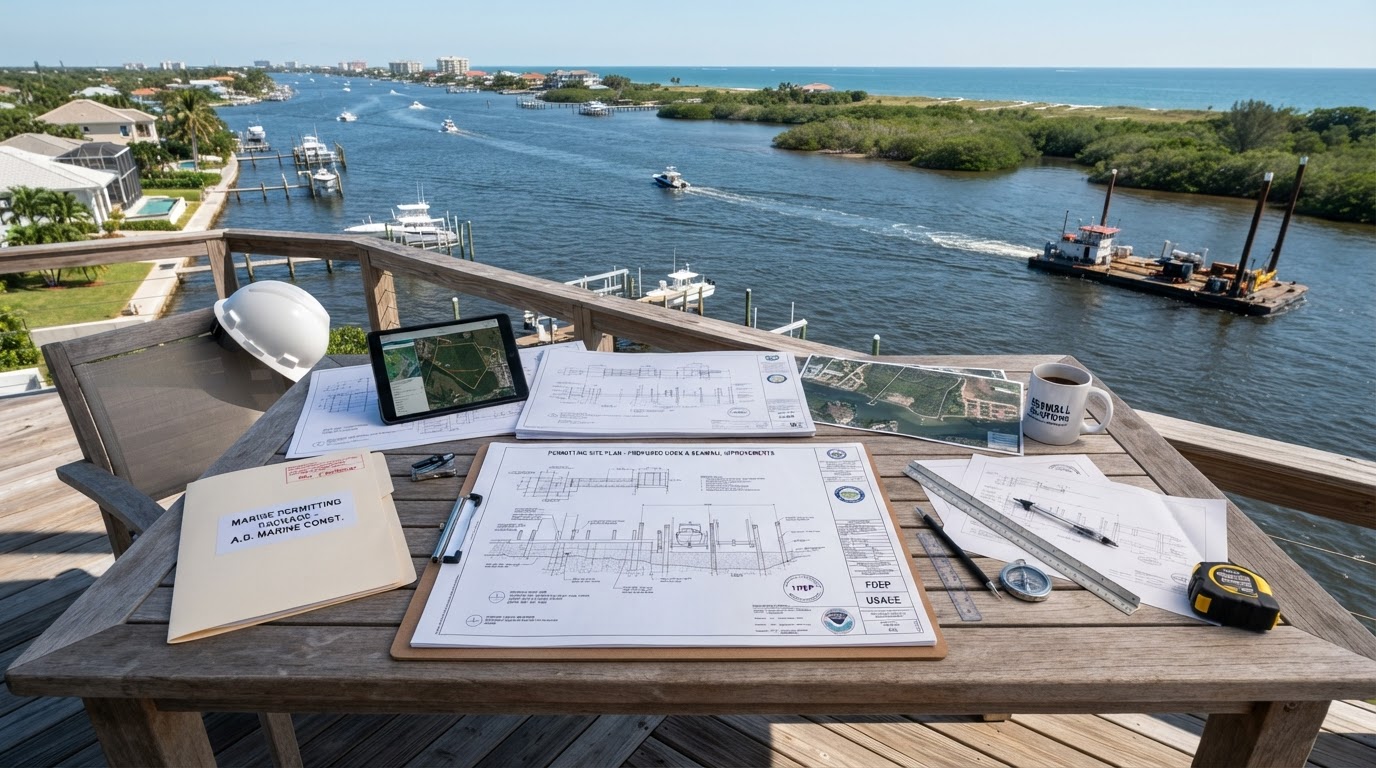
Florida DEP Dock Exemptions Explained Daytona Beach
A Florida DEP environmental permitting exemption can sound like a blanket green light, but an exemption in its specific regulatory context is not a blanket authorization to construct. This guide explains what an exemption means, how eligibility depends on the exact activity and current rule, and why other authorizations may still apply — without claiming every residential dock qualifies or that an exemption resolves every other approval.
Request a Marine Construction Estimate
Share your dock, seawall, or boat lift project details and we'll review the requirements for your Daytona Beach area waterfront property.
Florida DEP Dock Exemptions Near Daytona Beach
Florida's Environmental Resource Permitting (ERP) program addresses impacts to state waters and submerged lands. Within that program, certain activities may qualify for an exemption from state environmental permitting — but eligibility depends on the exact activity, the current rule, and the property's conditions. An exemption from DEP does not establish compliance with local building rules, submerged-land ownership requirements, or federal review.
This page is general educational guidance, not an agency determination. Specific exemption criteria should be verified against the current official DEP rule and guidance before relying on them. This site is not a permitting agency and does not determine eligibility.
- What an ERP exemption means in its regulatory context
- Exemptions versus general and individual permits
- Why eligibility depends on the exact activity and current rule
- Why other authorizations may still apply
- Verification and self-certification questions
- Why existing docks are not automatically exempt
What Is an Environmental Resource Permit Exemption?
An exemption, in the ERP context, means a specific activity is excluded from the requirement to obtain a state environmental resource permit — but only when the activity meets the current criteria for that exemption. It is a regulatory determination within one program, not a general permission to build. An exempt activity may still need a local building permit, submerged-lands authorization, or federal approval.
Because the criteria are tied to the specific activity and the current rule, a change in project scope can alter eligibility. A dock that might qualify for an exemption at one size or configuration may not qualify if extended, reconfigured, or rebuilt differently. This page does not publish a universal list of exemption criteria, and does not invent dock dimensions, vessel counts, or habitat thresholds.
- An exemption is a regulatory determination within the ERP program
- Eligibility depends on the exact activity and the current rule
- An exemption does not satisfy local, submerged-land, or federal requirements
- Changes in scope can alter eligibility
Exemptions Versus General and Individual Permits
The ERP program includes more than one path. An exemption, a general permit, and an individual permit are distinct.
Exemption
- A specific activity excluded from the state ERP permit requirement
- Eligibility depends on meeting current criteria for that activity
- Does not authorize work on state-owned submerged lands by itself
- Does not eliminate local building or federal review
General & Individual Permits
- General permits cover categories of similar activities under standardized conditions
- Individual permits address projects that need project-specific review
- Eligibility for a general permit does not mean every project qualifies
- Each path is a separate determination under the current rule
Dock Repairs, Replacements and New Construction
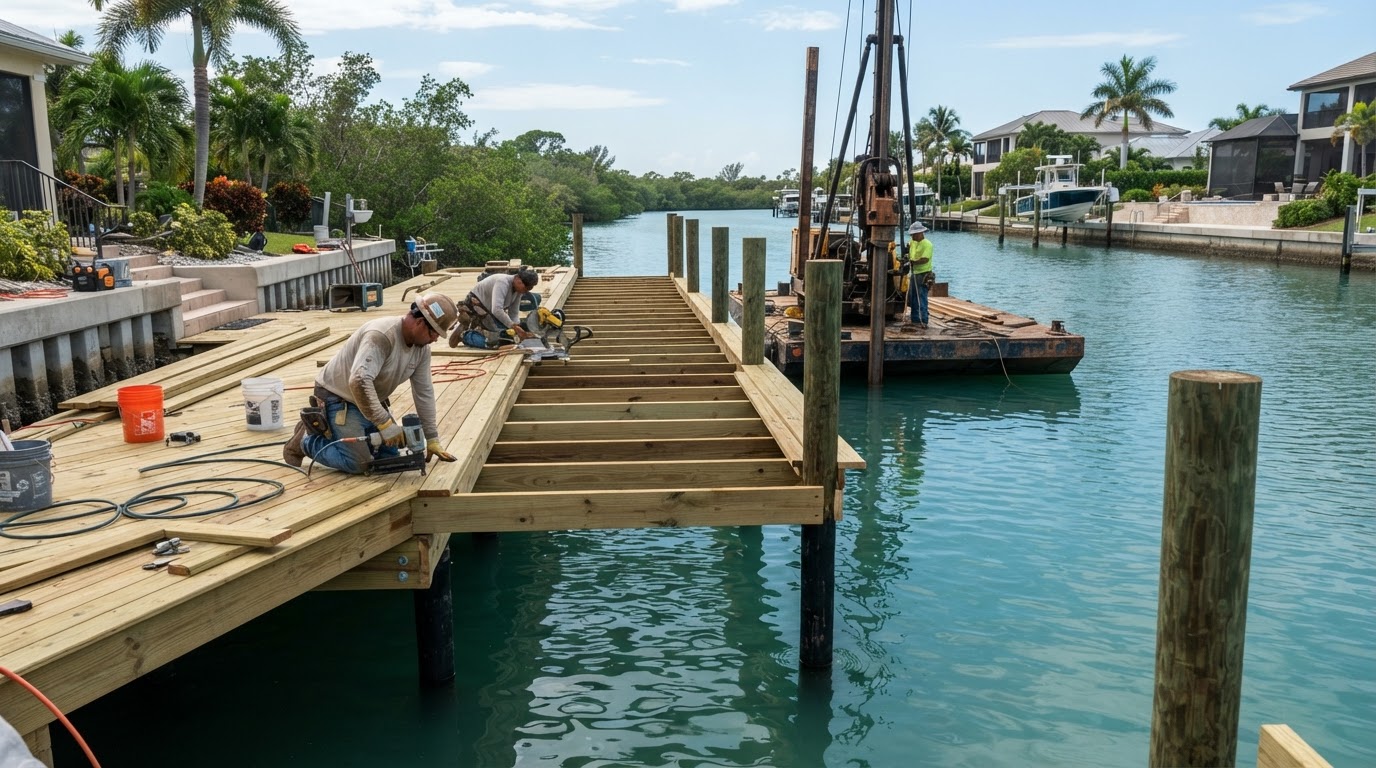
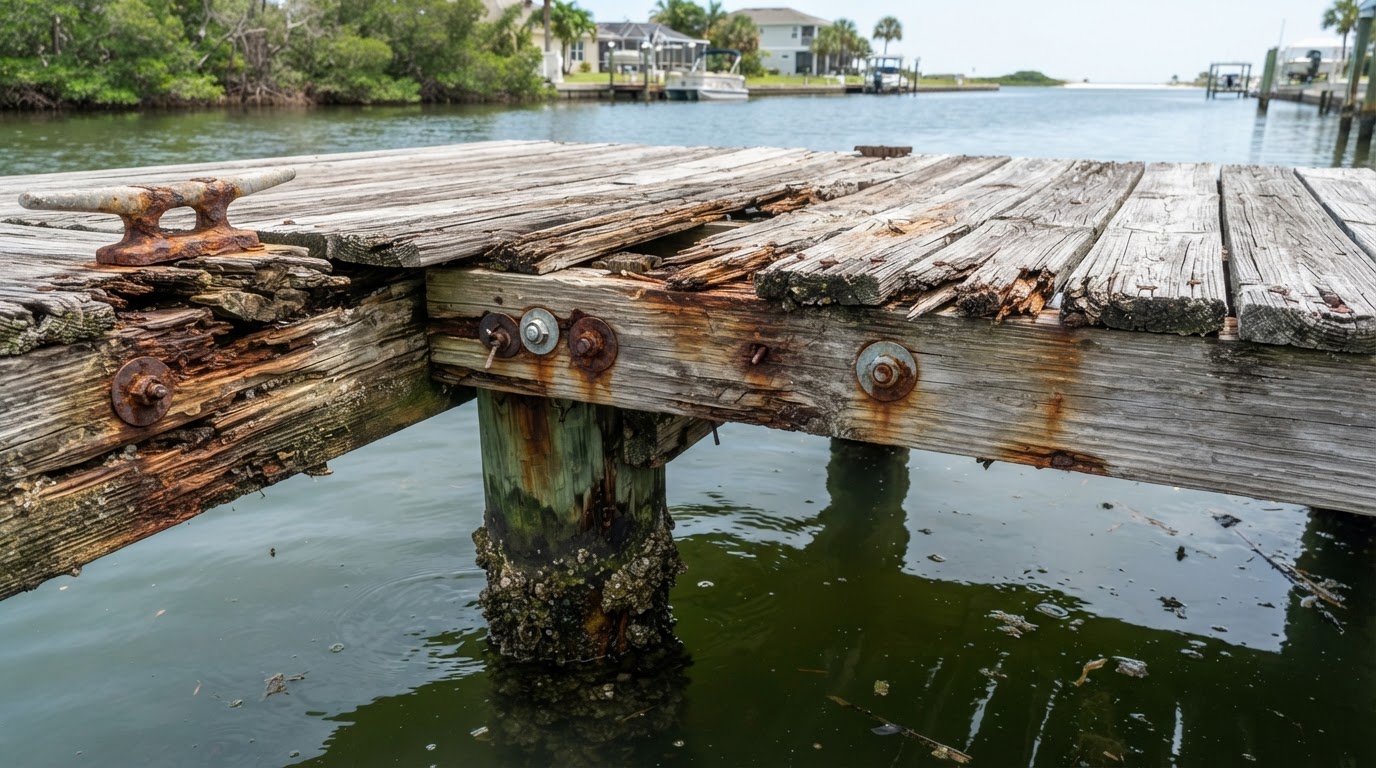
The proposed activity shapes whether an exemption might apply. New dock construction, a dock replacement, a dock extension, and a localized repair can each be treated differently under the ERP framework. Rebuilding within an existing footprint is not automatically exempt, and an existing dock is not automatically exempt merely because it already exists.
This page does not claim that dock replacement always qualifies for an exemption, or that a repair is always exempt. Whether a specific activity qualifies depends on the current rule and the property's conditions, and should be verified with current DEP guidance.
- New construction, replacement, extension, and repair can differ
- Rebuilding within an existing footprint is not automatically exempt
- An existing dock is not automatically exempt because it exists
- Eligibility depends on the current rule and property conditions
Why Property Conditions Affect Eligibility
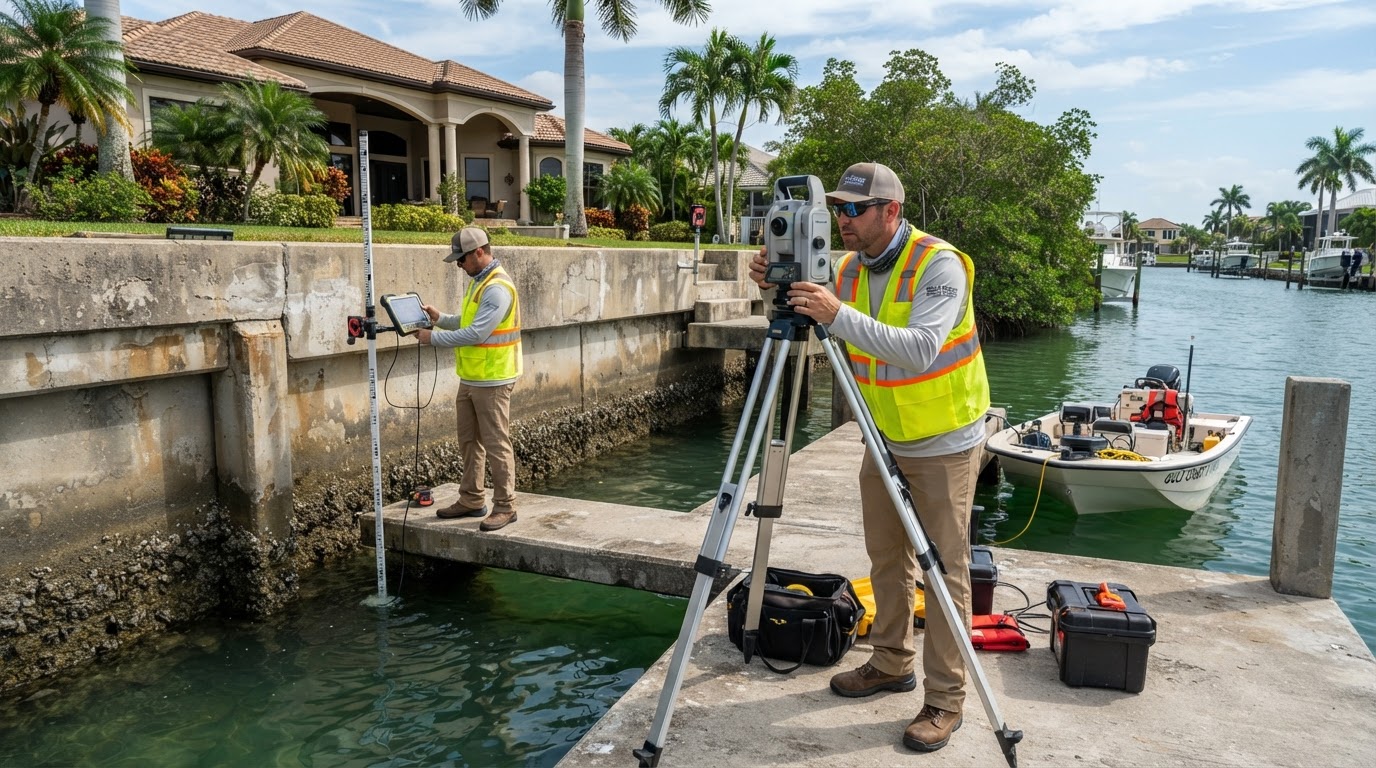
Exemption eligibility is property-specific. Conditions on one parcel do not transfer to another.
Waterbody & Frontage
The waterbody, frontage, and waterward placement can affect whether an activity meets exemption criteria. Conditions on a canal differ from a lagoon or riverfront parcel.
Habitat Conditions
Seagrass, wetlands, and other habitat on the parcel can affect eligibility. The presence or absence of sensitive habitat is a site-specific question.
Dimensions & Scope
Dock length, width, and configuration can affect whether an activity fits within exemption criteria. A change in scope can change eligibility.
Submerged Lands
Even where an environmental exemption applies, occupying state-owned submerged lands may require separate proprietary authorization.
Federal Review
A state exemption does not eliminate federal review where it applies. State and federal determinations are independent.
Local Building
A state exemption does not satisfy local building or zoning requirements. Local construction review is a separate question.
Other Approvals That May Still Be Needed
Even if a dock activity qualifies for a state ERP exemption, other approvals may still apply. A local building permit addresses construction on the parcel; sovereign submerged-lands authorization addresses the right to use state-owned water bottom; and federal review may apply to work in navigable waters. An exemption from one authority does not establish approval from the others.
This page does not imply that an exemption authorizes work on state-owned submerged lands, or that it eliminates federal review. Each determination is made by the responsible authority for the specific parcel and activity.
- Local building permits are separate from a state exemption
- Submerged-lands authorization may still be required
- Federal review may still apply where relevant
- An exemption from one authority does not satisfy the others
Where to Check Current DEP Guidance
For current official information, consult the Florida DEP ERP e-Permitting portal and the DEP forms and program guidance (floridadep.gov). Eligibility criteria change over time, so verify the current rule before relying on an exemption. This page provides general guidance and does not replace agency determinations or qualified professional advice.
Related Services Near Daytona Beach
Explore other marine construction topics relevant to your waterfront project.