
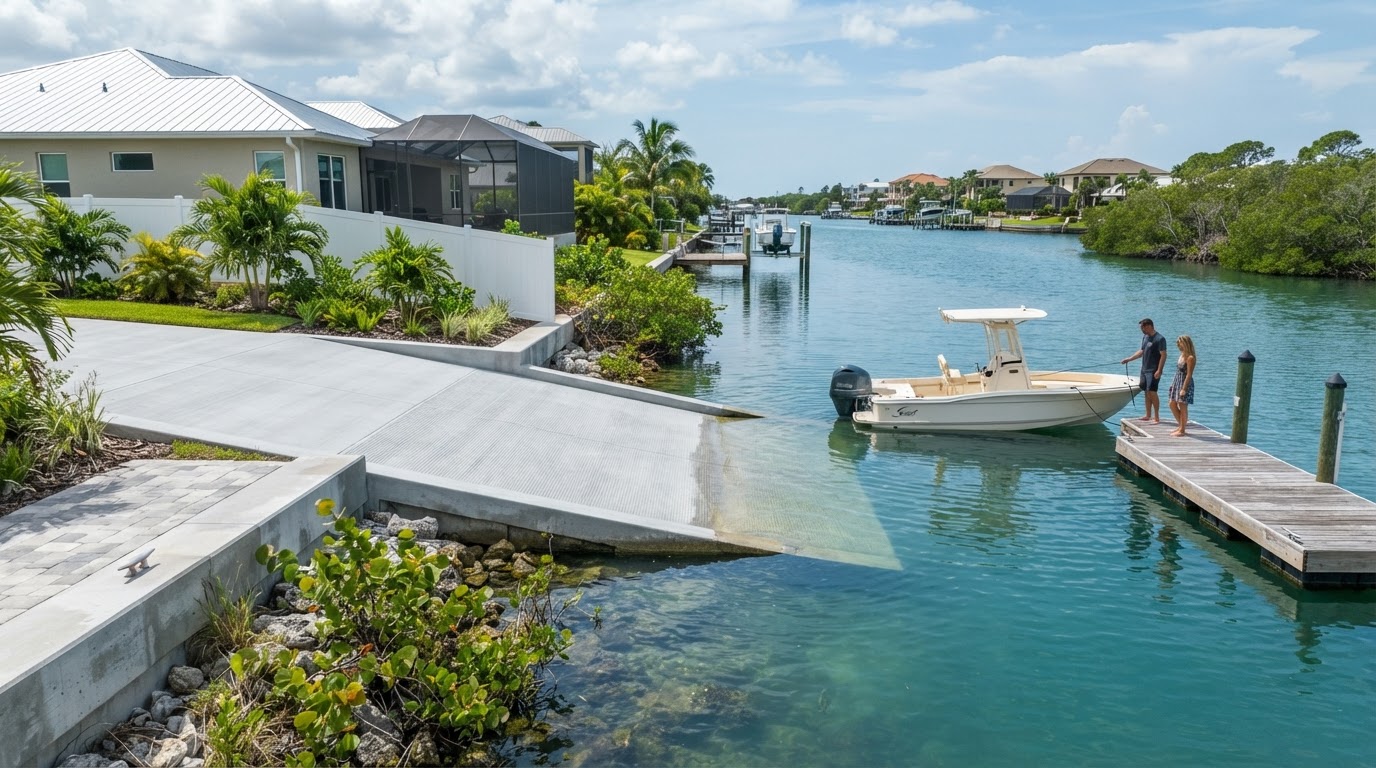
Commercial Boat Ramp Construction & Installation Daytona Beach
Commercial boat ramp construction in Daytona Beach is about more than pouring a slab to the waterline. A working ramp must match the vessels that use it, the vehicles and trailers that approach it, the shoreline and bottom it crosses, and the approvals that govern it. This page explains launch-access planning considerations without claiming the brand has completed any specific commercial ramp.
Request a Marine Construction Estimate
Share your dock, seawall, or boat lift project details and we'll review the requirements for your Daytona Beach area waterfront property.
Commercial Boat Ramp Construction in Daytona Beach
A commercial boat ramp is part of a waterfront access system, not an isolated surface. The intended vessel mix, the towing vehicles that will launch and retrieve them, the approach area, staging space, water depth, bottom conditions, shoreline transitions, drainage, and user circulation all shape whether a ramp works in practice — not just on a site plan.
No single ramp slope, width, material, or surface design is appropriate for every property. This page does not publish unsupported engineering dimensions or imply that a new ramp is automatically permitted at an existing marina or waterfront business. Project-specific feasibility is referred to qualified professionals and the applicable authority.
- New boat ramp construction and ramp replacement
- Localized ramp repair and surface restoration
- Launch access improvements and shoreline transitions
- Vehicle and trailer circulation planning
- Water depth and bottom-condition review
- Environmental review and applicable approvals
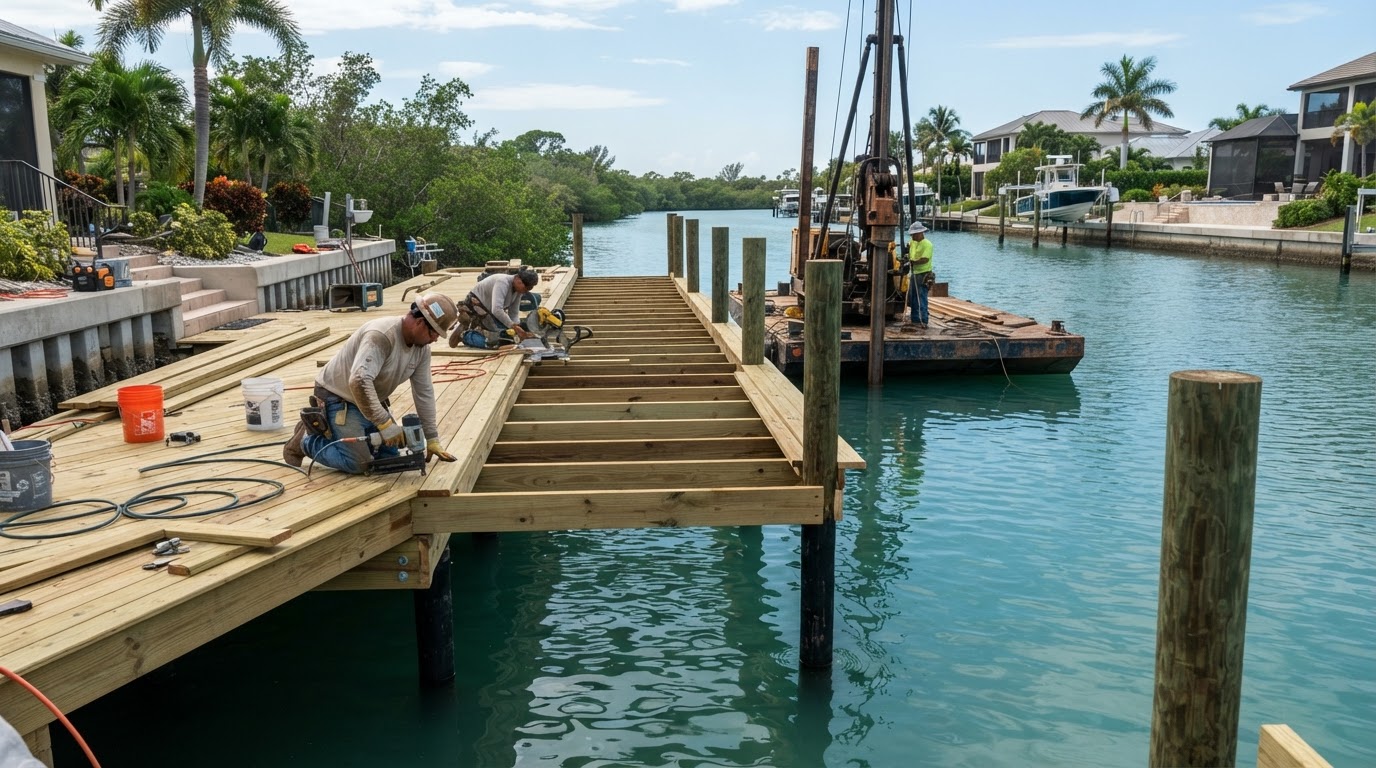
Planning Safe Vessel Launch and Retrieval Access
A commercial ramp is judged by how safely and efficiently boats move in and out of the water under real conditions. The expected vessel mix — skiffs, center consoles, pontoon trailers, or larger cruiser haul-outs — sets the practical requirements for ramp width, slope, side clearance, and the water depth at the low end. A ramp that is comfortable for small trailers can be inadequate for heavier or deeper-draft vessels.
Vehicle and trailer movement matters just as much. The approach lane, turning radius, staging area, and the path back to parking must accommodate the towing vehicles that will use the facility. A ramp that works on a narrow lot may create congestion, backups, or unsafe maneuvers once launch traffic is considered.
- Intended vessel types and trailer configurations
- Towing vehicle access and turning room
- Staging and queueing space away from the waterline
- Launch and retrieval sequencing under busy conditions
Ramp Layout, Water Depth and Shoreline Conditions
A ramp's geometry and location depend on site-specific water, shoreline, and bottom conditions that cannot be assumed from the address alone.
Water Depth
Depth at the ramp's low end, seasonal and tidal changes, and the draft of the deepest vessel expected to launch all affect whether the ramp reaches usable water.
Bottom Conditions
Soft muck, hard bottom, scour, and sediment movement affect ramp stability, surface support, and whether the slab or mats remain usable over time.
Shoreline Transitions
Where the ramp meets the bank, erosion control, drainage, and the connection to upland staging all need to be considered as one access system.
Drainage
Surface runoff, rutting, and water movement across the ramp affect traction, durability, and whether the surface remains safe under load.
Ramp Surface
Concrete, mats, or other surfaces each behave differently under trailer loads, heat, and salt exposure; selection depends on use and site conditions.
Slope and Width
Ramp slope, width, and side clearance should fit the intended vessels and vehicles, not a generic standard assumed to suit every property.
Commercial Boat Ramp Materials and Design Considerations
Ramp material selection is not a one-size choice. A cast concrete ramp, precast slabs, and modular ramp mats each have different constructability, durability, traction, and maintenance profiles. The appropriate surface depends on the expected loads, bottom support, water chemistry, heat exposure, and how the ramp will be maintained — and on manufacturer and design requirements, not a universal recommendation.
Traction is a real safety consideration. Wet surfaces, algae growth, and sediment can make a ramp slippery, and surface texture, coating, or added traction features may be considered. This page does not guarantee that any surface treatment is slip-proof or maintenance-free.
- Concrete, precast, or modular ramp surface options
- Traction, coating, and surface texture considerations
- Durability under trailer loads and salt exposure
- Maintenance expectations and cleaning access
- Manufacturer and design requirements for selected materials
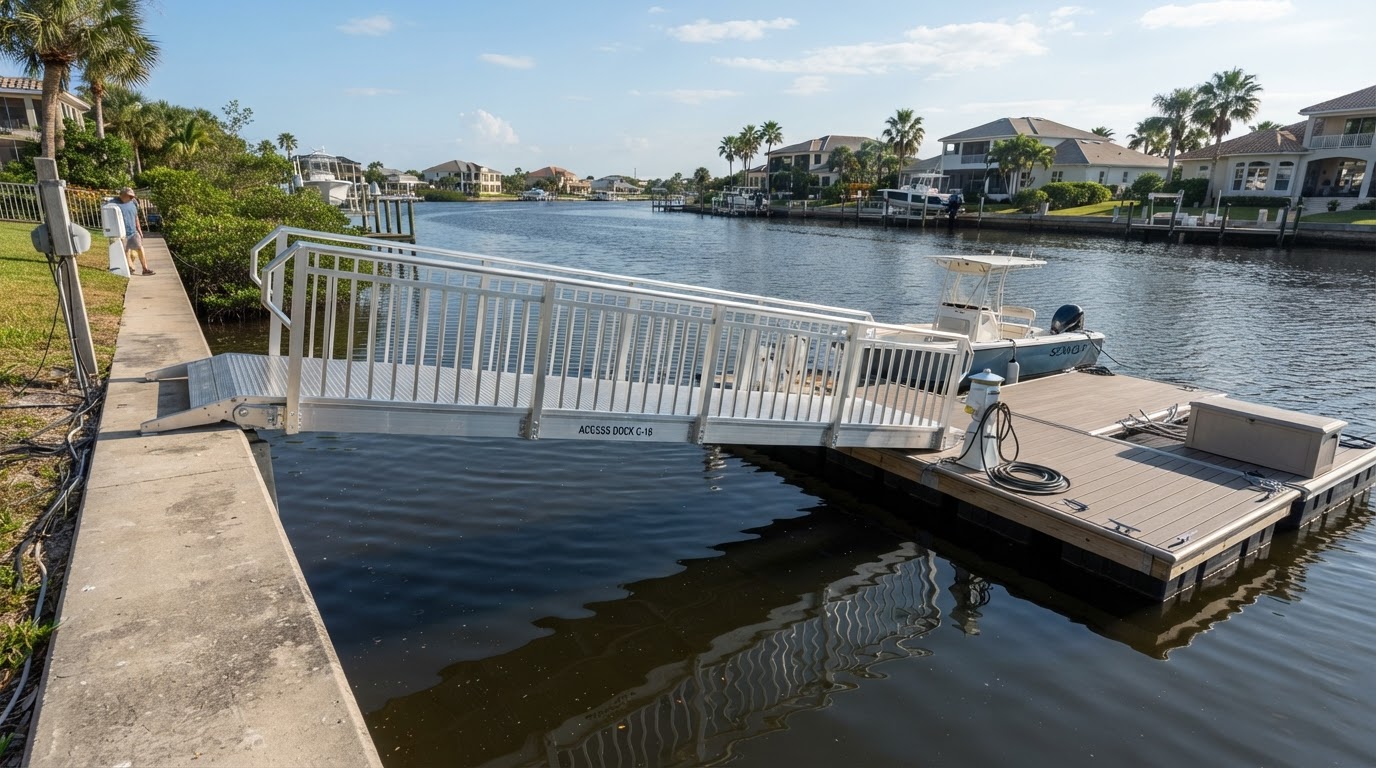
Vehicle Access and Facility Operations Near Daytona Beach
A commercial ramp is part of an operating facility. Its layout should reflect how vehicles, trailers, and users actually move through the site.
- Approach lane width and turning radius for trailers
- Staging and queueing area separate from the ramp
- Parking and circulation for guests and operators
- Coordination with adjacent dock or marina operations
- Lighting and safe access during early or late launches
- Signage, wayfinding, and user flow where applicable
Ramp Repair Versus Full Replacement
Whether a ramp can be repaired in place or needs full replacement depends on the condition of the slab, subgrade, shoreline transition, and remaining service life — not on a blanket recommendation.
Localized Ramp Repair
- Surface patching, crack repair, or texture restoration
- Addressing isolated spalling or surface deterioration
- Drainage or erosion correction near the ramp
- Retains the existing slab and subgrade where sound
- Evaluated against the existing structure's condition
Full Ramp Replacement
- Removing a failed or undersized slab
- Re-establishing slope, width, and shoreline transition
- Coordinating subgrade, drainage, and bottom conditions
- Sized to current vessel and vehicle use
- Subject to current approvals and qualified design
Environmental and Permit Review
A commercial boat ramp may involve local zoning or construction review, state environmental review, sovereign submerged-lands considerations, and federal review depending on the parcel and scope. Dredging or shoreline modification is not automatically permissible, and an existing facility does not automatically authorize a new or expanded ramp. Project-specific determinations are referred to the applicable authority and qualified professionals.
Related Services Near Daytona Beach
Explore other marine construction topics relevant to your waterfront project.